Departure
Return
Loading
Choose a country or city


Frequently Asked Questions
Club Med operates several resorts in the Italian Alps, including Club Med Cesana (in the Via Lattea area), Club Med Sestrière (also in Via Lattea), and Club Med Pragelato (near Sestrière)
Activities at these resorts include skiing and snowboarding during the winter months, and in summer, hiking, mountain biking, and climbing. The resorts also offer fitness classes, wellness services, and evening entertainment.
Yes, Club Med resorts in the Italian Alps are designed to be family-friendly. They offer kids' clubs such as Baby Club Med, Mini Club Med, and Junior Club Med, with activities tailored for different age groups.
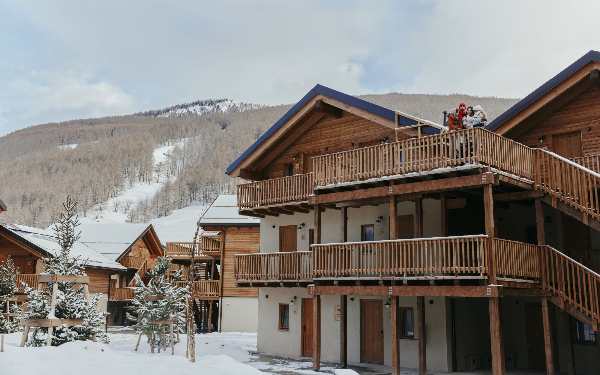
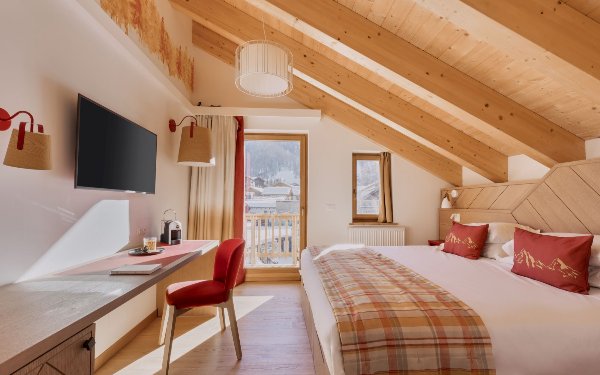
Accommodations vary from standard rooms to deluxe suites. Rooms are designed to be comfortable and offer modern amenities, with some providing stunning views of the Alps.
For winter sports, the best time to visit is from December to April when snow conditions are ideal. For summer activities, the optimal period is from June to September.
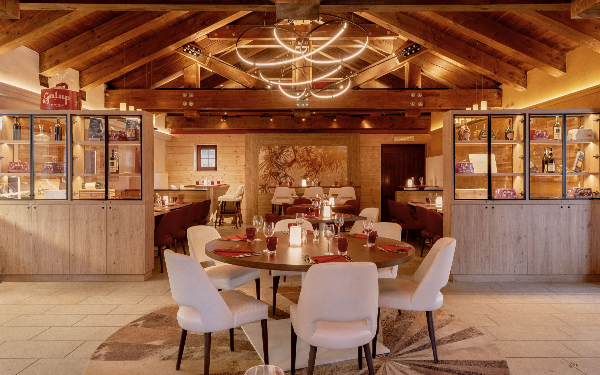
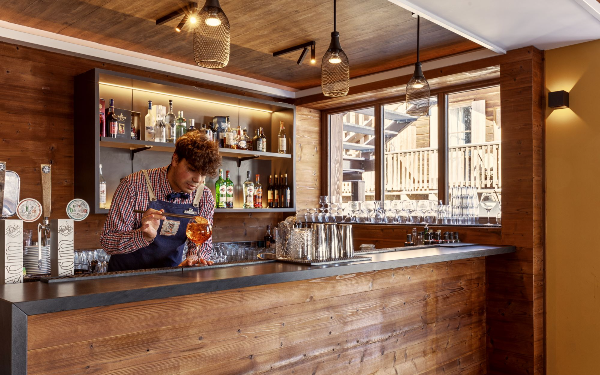
Yes, the resorts operate on an all-inclusive basis, which includes all meals, snacks, and drinks (both alcoholic and non-alcoholic). Dining options include buffet-style meals and à la carte restaurants.
Ski lessons are available for all skill levels, from beginners to advanced skiers. These lessons are provided by qualified instructors and are included in the all-inclusive package.
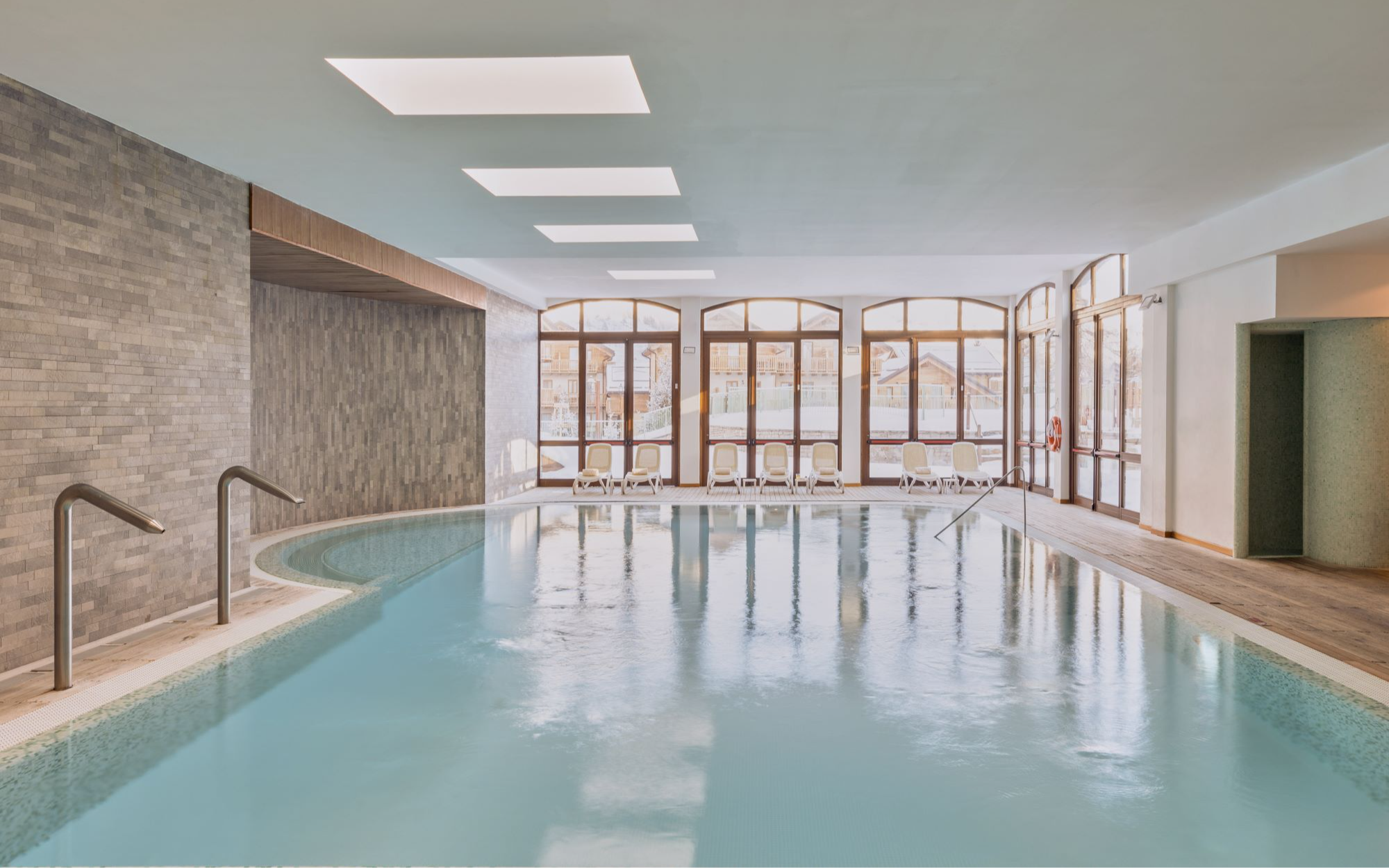
Yes, many of the resorts feature spas offering massages, facials, body treatments, and relaxation areas. These are perfect for unwinding after a day on the slopes or exploring the mountain region.
Absolutely. The resorts provide romantic amenities such as luxurious accommodations, private dining options, and relaxing spa treatments. Couples can also enjoy the beautiful mountain scenery and après-ski activities.
Club Med resorts follow strict safety protocols including 24-hour security, on-site medical services, and enhanced hygiene measures to ensure the safety and well-being of guests.
The best time depends on your activities:
Winter (December to March): Perfect for skiing and winter sports.
Summer (June to September): Ideal for hiking, mountain biking, and climbing.
The Dolomites: A UNESCO World Heritage site with unique landscapes and famous hiking trails.
Lake Como: Known for picturesque villages like Bellagio and Varenna.
Renowned ski resorts: Such as Cortina d'Ampezzo and Madonna di Campiglio.
EU citizens do not need a visa for Italy. For other nationalities, check specific visa requirements before traveling.
The currency is the Euro (€). Credit cards are widely accepted, but it’s advisable to carry cash for small transactions, especially in rural areas.
Yes, the Italian Alps are generally safe. As always, be mindful of your surroundings and follow local guidelines.
Italian is the main language. In some areas, like South Tyrol, German is also spoken. English is commonly understood in tourist areas.
Polenta: A dish made of cornmeal, often served with meat or cheese.
Speck: Smoked cured ham typical of South Tyrol.
Canederli: Bread dumplings served in broth or as a side dish.
No specific vaccinations are required. However, ensure you are up-to-date on standard vaccines.
Car: Renting a car offers flexibility to explore the region.
Train: A well-developed rail network connects major towns.
Bus: Regular services cover rural areas and tourist destinations.
Handcrafted items: Such as wooden carvings.
Local food products: Cheeses, mountain honey, and regional wines.
Textiles: Locally made wool or linen products.


