Departure
Return
Loading
Choose a country or city
Hotels of Providenciales
-
Alexandra Resort All Inclusive
-
Beach House All Inclusive Adults Only
-
Beaches Turks And Caicos
-
Blue Haven Resort All Inclusive
-
Club Med Turkoise
-
Como Parrot Cay
-
Ocean Club Resort
-
Ocean Club West
-
Point Grace Resort
-
Ports Of Call Resort
-
Royal West Indies
-
Sands At Grace Bay
-
Seven Stars Resort And Spa
-
The Palms Turks And Caicos
-
The Ritz-carlton Turks And Caicos
-
The Shore Club Turks And Caicos
-
Villa Del Mar
-
West Bay Club
-
Wymara Resort And Villas
-
Windsong Resort
Frequently Asked Questions
Providenciales, also known as Provo, is the main island of the Turks and Caicos. It lies north of the Dominican Republic and east of the Bahamas. The island is the hub for tourism in the archipelago, offering the majority of resorts, pristine beaches, and a wide variety of activities for visitors.
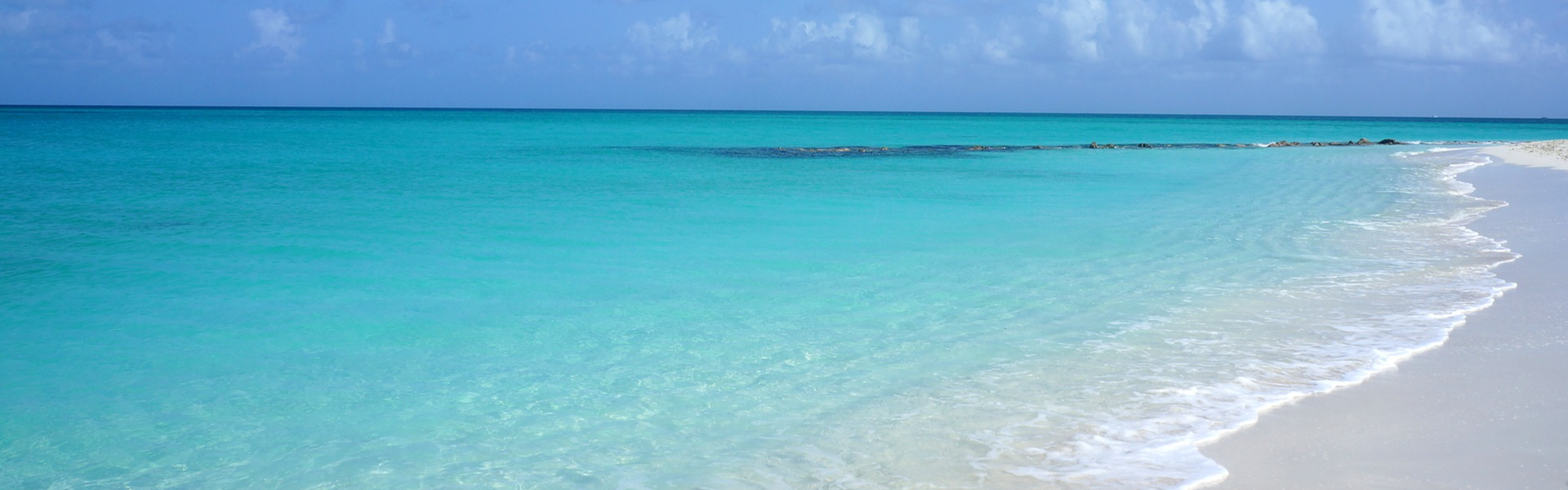
Grace Bay Beach is the most famous beach in Providenciales and is often ranked among the best in the world. Its powdery white sand and crystal-clear turquoise waters make it an iconic destination. Leeward Beach is another favorite, known for its peaceful setting and relaxed atmosphere.
Providenciales enjoys warm weather year-round. The peak season is from December to April, perfect for sunshine and calm seas. From May to November, prices are lower, but travelers should keep in mind that September and October are more likely to bring hurricane activity.
Travelers need a valid passport that extends at least three months beyond the departure date, with two blank pages. A visa is not required for stays under 90 days for visitors from Canada, the United States, and most European countries. Entry requirements are simple for short-term tourism
The local currency is the U.S. dollar (USD). Credit cards such as Visa and Mastercard are widely accepted across Providenciales. However, it is a good idea to carry some cash for taxis, local shops, or tipping, which usually ranges from 10 to 20 percent of the bill.
Yes, mobile coverage is reliable throughout the island. You can activate international roaming with your provider or purchase a local prepaid SIM card for better rates. This is especially practical if you are planning to stay for more than just a few days.
Driving in Providenciales is on the left side of the road. Renting a car is the best way to explore the island. Your home country driver’s license is valid for up to 30 days. For longer stays, a visitor’s permit is required, and basic insurance coverage is mandatory.
Visitors can enjoy diving, snorkeling at Smith’s Reef, boat excursions to Little Water Cay, or relaxing on pristine beaches. Other highlights include seeing local wildlife like iguanas, dining on traditional conch dishes, and experiencing some of the Caribbean’s most stunning sunsets.
Providenciales offers a wide range of accommodations. From luxury beachfront resorts and all-inclusive hotels to private villas and boutique rentals, there is something for every type of traveler. Booking in advance is highly recommended during peak tourist season.
To book your trip to Providenciales, including flights, hotels, and activities, contact Voyages Aqua Terra at 1-866-628-6241 or ventes@voyagesaquaterra.com


